
How to Escape the 5-6 Lending Trap: A Guide for Filipino Families
5-6 lending (bomb loans) trap thousands of Filipino families in debt cycles. Learn practical strategies to escape and build financial freedom.
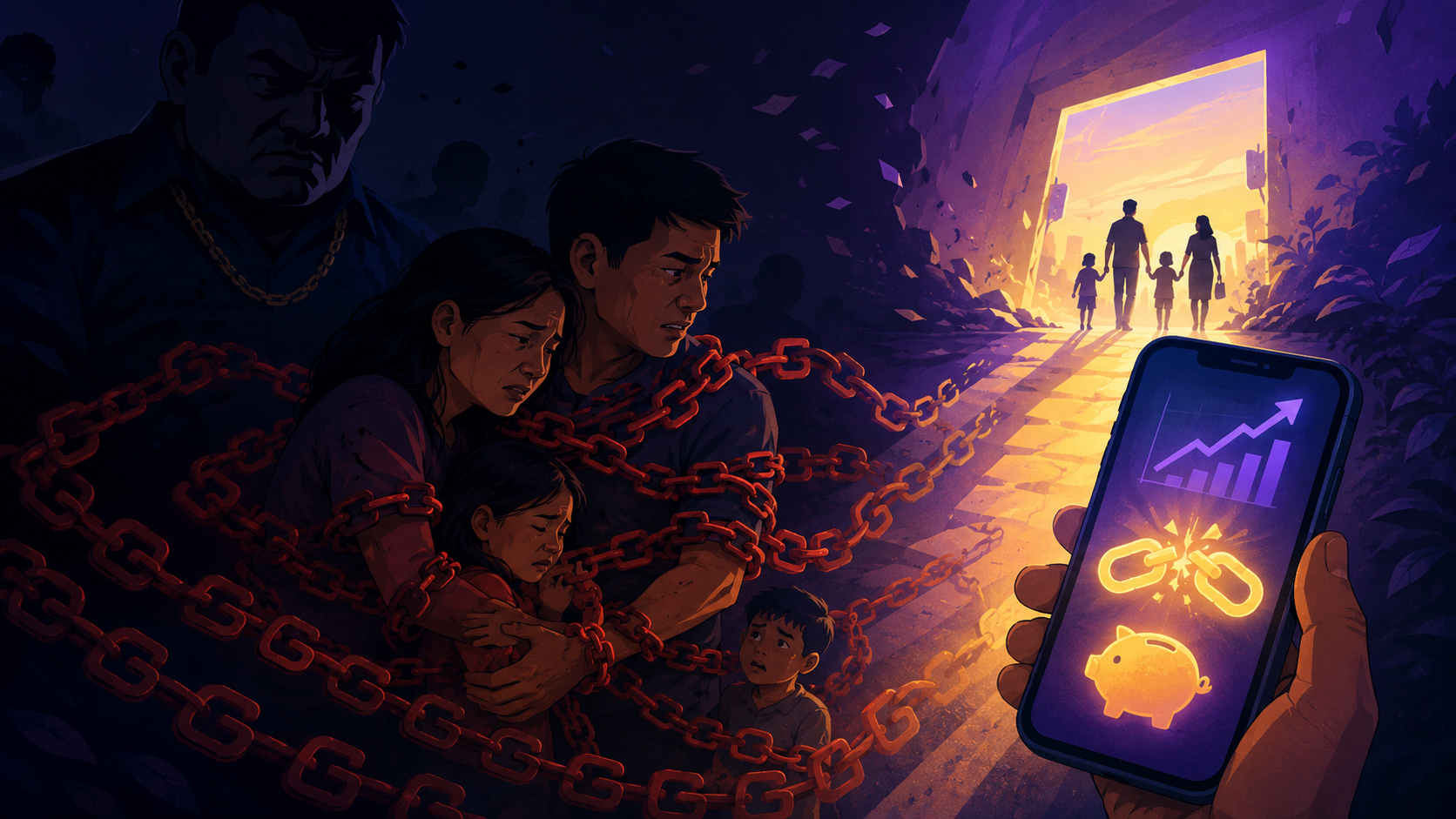
If you've ever borrowed ₱5,000 and promised to pay back ₱6,000, you've experienced 5-6 lending. This informal lending scheme traps thousands of Filipino families in cycles of debt that can last years.
What is 5-6 Lending?
5-6 lending (also called "bomb loans" or "5-6 interest") is an informal lending scheme where:
-
You borrow ₱5,000
-
You promise to pay back ₱6,000
-
That's a 20% interest rate per term (often weekly or monthly)
If the term is weekly, that's 20% per week — or over 1,000% annually. This is predatory lending.
Why Do Filipinos Fall into 5-6 Lending?
-
No access to formal credit: Banks require documentation, credit history, and collateral
-
Emergency expenses: Medical bills, school fees, or business capital needs arise suddenly
-
Convenience: 5-6 lenders are everywhere — no paperwork, no waiting
-
Lack of financial literacy: Many don't realize how expensive 5-6 lending really is
-
Social pressure: "Suki" relationships with lenders make it hard to say no
The True Cost of 5-6 Lending
Let's say you borrow ₱10,000 from a 5-6 lender with weekly payments:
-
Weekly payment: ₱2,000 (₱10,000 principal + ₱2,000 interest over 5 weeks)
-
Total paid: ₱12,000
-
Effective annual interest rate: Over 1,000%
Compare this to:
-
Bank personal loan: 12-18% per year
-
Pag-IBIG multi-purpose loan: 10.75% per year
-
SSS salary loan: 10% per year
-
Credit card: 24-36% per year (still cheaper than 5-6)
How to Escape the 5-6 Lending Trap
Step 1: Stop Borrowing
The first step is to stop taking new 5-6 loans. This is hard, but necessary. Every new loan deepens the trap.
Step 2: List All Your Debts
Write down every debt you owe:
-
5-6 loans (principal + interest)
-
Credit card balances
-
Online lending apps (OCredit, SPayLater, Billease)
-
Pag-IBIG/SSS loans
-
Personal loans from friends/family
Use Iponify's Debt Calculator to organize this and see your total debt.
Step 3: Prioritize High-Interest Debts
Use the avalanche method: pay off the debt with the highest interest rate first.
For most Filipinos, this is the 5-6 loan. Every extra peso should go here.
Step 4: Negotiate with Your Lender
Some 5-6 lenders will accept a lump-sum payment that's less than the total owed. If you can borrow from a cheaper source (family, bank, Pag-IBIG), do it to pay off the 5-6 loan.
Step 5: Replace 5-6 with Cheaper Credit
Once you've escaped the 5-6 trap, build a financial safety net:
-
Emergency fund: 3-6 months of expenses in a high-yield savings account
-
Pag-IBIG MP2: Earn 6-7% dividends (tax-free) while building savings
-
SSS salary loan: Borrow at 10% instead of 1,000%+
-
Cooperative loans: Many cooperatives offer loans at 12-18% per year
Step 6: Build Financial Literacy
The best way to avoid 5-6 lending is to understand your options:
-
Learn about interest rates and how they compound
-
Understand the difference between good debt (investment) and bad debt (consumption)
-
Use Iponify's Debt Calculator to compare debt payoff strategies
Alternatives to 5-6 Lending
Before you borrow from a 5-6 lender, consider these alternatives:
-
Family and friends: Borrow at 0% interest (but be respectful and pay back on time)
-
SSS salary loan: Up to two months of your monthly salary credit at 10% per year
-
Pag-IBIG multi-purpose loan: Up to 80% of your total savings at 10.75% per year
-
Bank personal loans: 12-18% per year (requires documentation)
-
Cooperative loans: 12-18% per year (requires membership)
-
Digital banks: Maya, Tonik, and CIMB offer personal loans at competitive rates
How Iponify Helps You Escape Debt
Iponify's Debt Calculator helps you:
-
Track all your debts in one place (5-6, credit cards, online lending, Pag-IBIG, SSS)
-
Compare payoff strategies (avalanche vs snowball)
-
See exactly when you'll be debt-free
-
Calculate your debt-to-income ratio (DTI) and understand your financial health
-
Identify predatory loans (5-6, online lending) and plan your escape
Start tracking your debts today and take the first step toward financial freedom.
Related Resources
- Debt Calculator: Calculate your payoff date and compare strategies at iponify.com/debt-calculator