
Digital Paluwagan vs Traditional Paluwagan: What Changed and What Stayed the Same
Understanding the evolution of paluwagan from community gatherings to digital apps. Is digital paluwagan safe and legal in the Philippines?
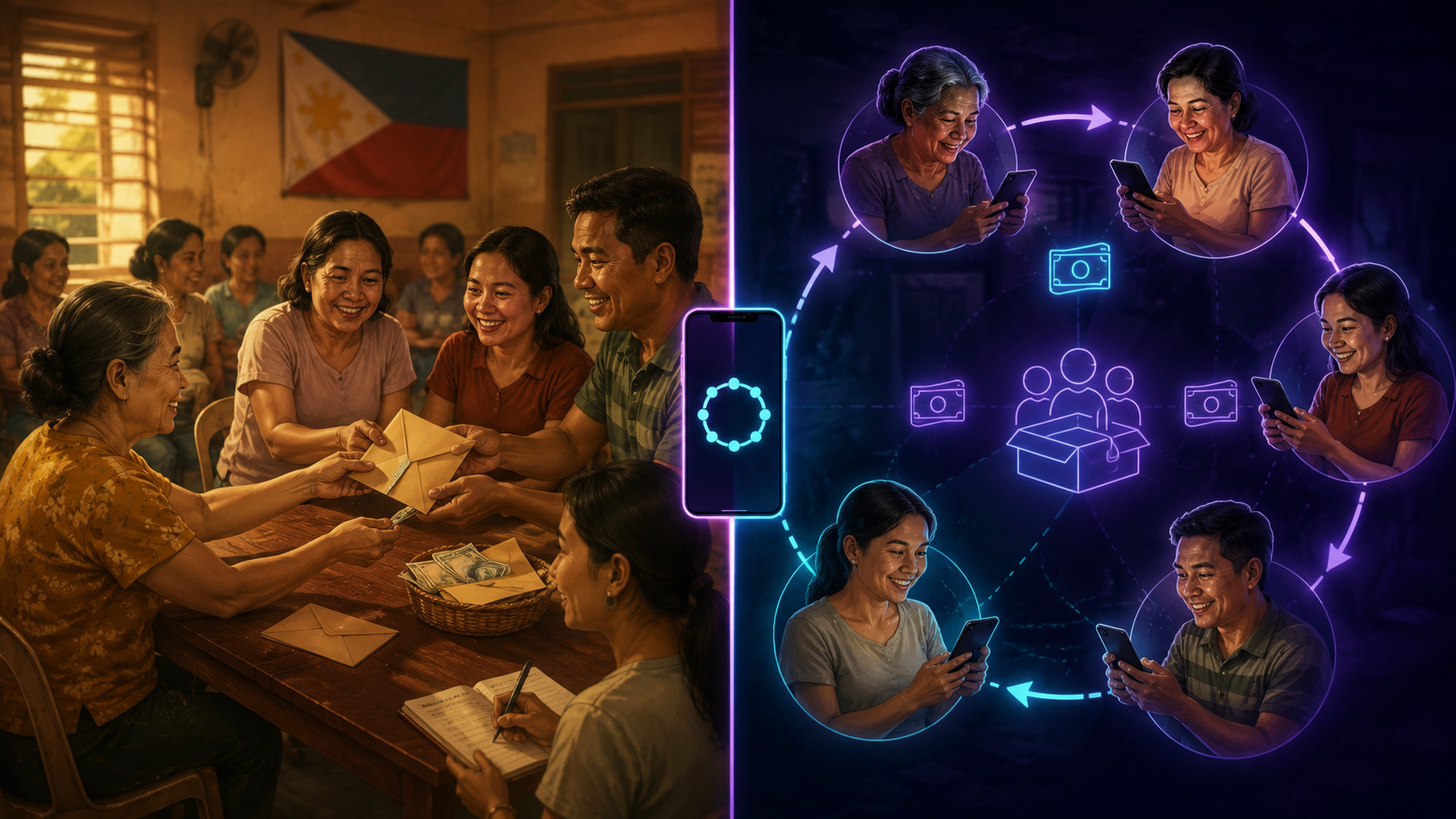
Paluwagan has been a cornerstone of Filipino savings culture for generations. But with the rise of digital apps, many Filipinos are asking: Is digital paluwagan safe? Is it legal? How is it different from the traditional system?
What is Traditional Paluwagan?
Traditional paluwagan is a rotating savings system where a group of people (usually friends, neighbors, or coworkers) contribute a fixed amount weekly or monthly. Each period, one member receives the entire pot, rotating until everyone has received once.
For example, a group of 10 people contributing ₱1,000/month:
-
Month 1: Person A receives ₱10,000
-
Month 2: Person B receives ₱10,000
-
... and so on until Month 10: Person J receives ₱10,000
This system works because of trust and social pressure. Everyone knows each other, and defaulting means losing face in the community.
The Problems with Traditional Paluwagan
While paluwagan has helped millions of Filipinos save, it has drawbacks:
-
Trust issues: What if the organizer disappears with the money?
-
No transparency: Hard to track who paid and who's late
-
Geographic limitations: Only works if everyone lives nearby
-
No record-keeping: Disputes are common when records are lost
-
OFW exclusion: Overseas Filipinos can't participate easily
What is Digital Paluwagan?
Digital paluwagan uses apps like Iponify to manage the same rotating savings system, but with modern technology:
-
Transparent tracking: Everyone sees who paid, who's late, and whose turn is next
-
Geographic freedom: OFWs can participate from Singapore, Dubai, or anywhere
-
Automated reminders: No more awkward "bayad ka na ba?" conversations
-
Digital records: All transactions are logged and can be exported
-
Group management: Organizers can manage multiple groups easily
Is Digital Paluwagan Legal in the Philippines?
Yes, digital paluwagan is legal when used as a savings mechanism, not an investment scheme.
The key distinction:
-
Legal: Paluwagan as a rotating savings system (you contribute, you receive your turn)
-
Illegal: Paluwagan promising high returns or investing your money (this is a Ponzi scheme)
Iponify's paluwagan feature is a tracking and management tool. We don't hold your money, promise returns, or engage in lending. We simply help your group stay organized and transparent.
The Securities and Exchange Commission (SEC) has warned against illegal paluwagan schemes that promise 20-30% monthly returns. These are Ponzi schemes, not legitimate paluwagan.
How Iponify's Digital Paluwagan Works
-
Create a group: Set the contribution amount, frequency, and invite members
-
Set the rotation: Decide the order (random, by contribution date, or manual)
-
Track contributions: Members log their payments, and everyone sees the status
-
Receive your turn: When it's your turn, you receive the pot from the group
-
Complete the cycle: Continue until everyone has received once
The entire process is transparent, and all members have equal visibility.
Digital Paluwagan for OFW Families
One of the biggest advantages of digital paluwagan is that OFWs can participate:
-
An OFW in Singapore can join a paluwagan with family in the Philippines
-
Contributions can be tracked regardless of location
-
OFWs can build savings habits even while abroad
-
Family members can see the OFW's contributions, building trust
This is especially valuable for OFWs who want to save but don't have access to traditional paluwagan groups in their host country.
Safety Tips for Digital Paluwagan
-
Only join groups with people you trust: Digital doesn't eliminate the need for trust
-
Verify the organizer: Make sure the group organizer is legitimate
-
Start small: Test the system with a small group before committing large amounts
-
Use reputable apps: Iponify is DPA-compliant and transparent — avoid apps that promise high returns
-
Keep records: Export your transaction history regularly
Traditional vs Digital Paluwagan: Which is Better?
| Feature | Traditional | Digital (Iponify) |
|---------|-------------|-------------------|
| Transparency | Low (manual records) | High (automated tracking) |
| Geographic reach | Local only | Global (OFW-friendly) |
| Reminders | Manual (social pressure) | Automated (app notifications) |
| Record-keeping | Paper/verbal | Digital (exportable) |
| Trust mechanism | Social relationships | Technology + social |
| Best for | Close-knit communities | OFWs, dispersed families |
Conclusion
Digital paluwagan doesn't replace traditional paluwagan — it enhances it. The core principle (community savings) remains the same, but technology solves the problems of transparency, geography, and record-keeping.
For OFWs and dispersed Filipino families, digital paluwagan is a game-changer. It allows you to build savings habits, involve family in your financial journey, and stay connected to Filipino savings culture — no matter where you are in the world.
Start your digital paluwagan group on Iponify today.
Related Resources
- Paluwagan Tracker: Digitize your paluwagan group at iponify.com/paluwagan-tracker